AI
Technical leverage
Turn capability into repeatable execution.
INDEPENDENT LEVERAGE STUDIO
I turn repeated work, practical judgment and AI workflows into systems, products and experiments that can be reused, tested and improved. Builder × Investor × AI Operator × Business Thinker
01START
02LEVERAGE
Technical leverage
Turn capability into repeatable execution.
Scale leverage
Build once, serve repeatedly.
Commercial leverage
Connect value, distribution and revenue.
Capital leverage
Allocate capital where asymmetry is strongest.
Time leverage
Replace repeated effort with durable workflows.
Distribution leverage
Turn learning and proof into discoverable assets.
03PRODUCT SYSTEMS
Four task-first systems, organized by workflow and tier so you can compare scope, status and evidence before choosing.
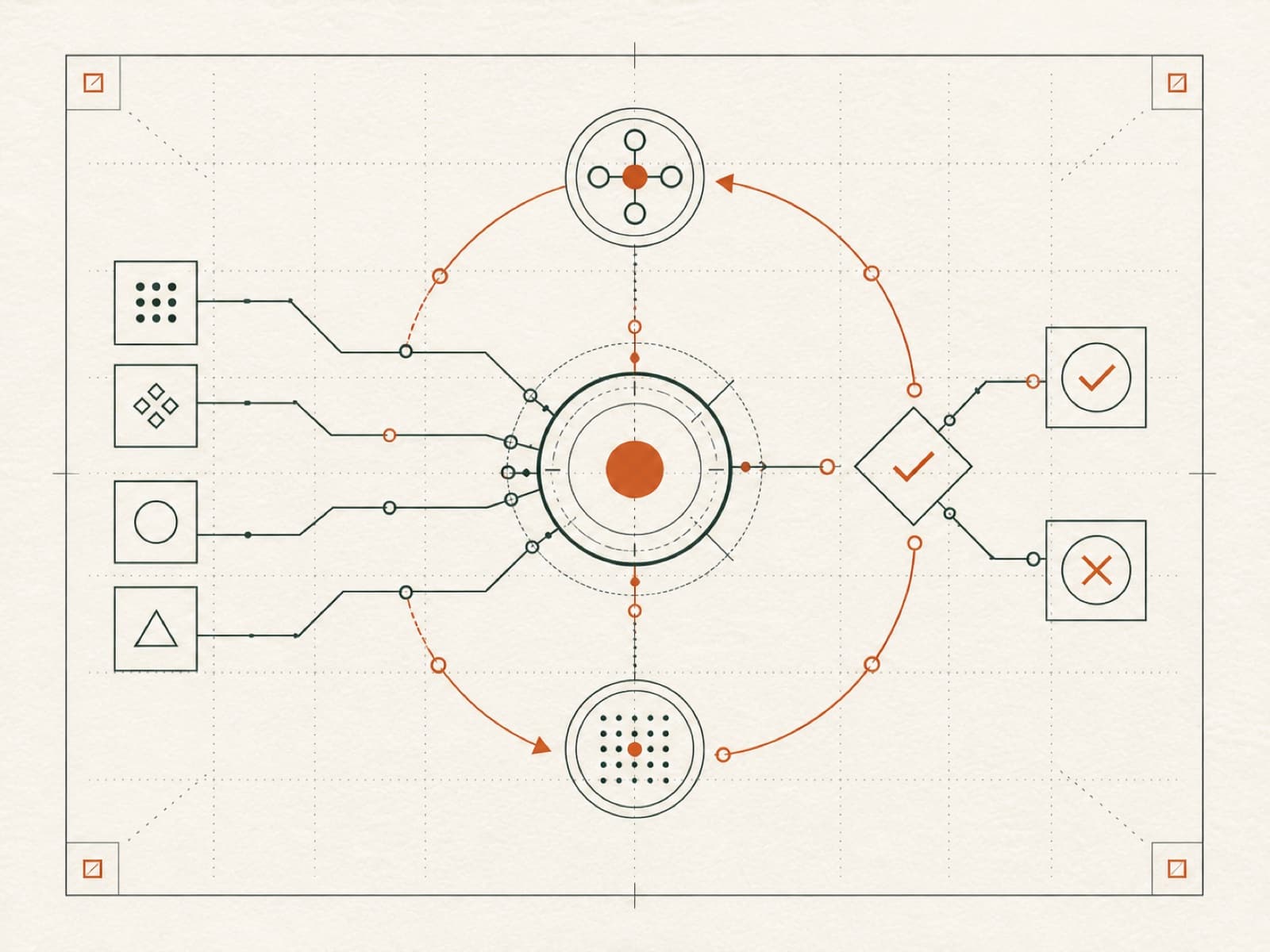 01 / PRODUCT SYSTEMS
Build a personal AI operating system for clearer execution, context, verification and decisions.
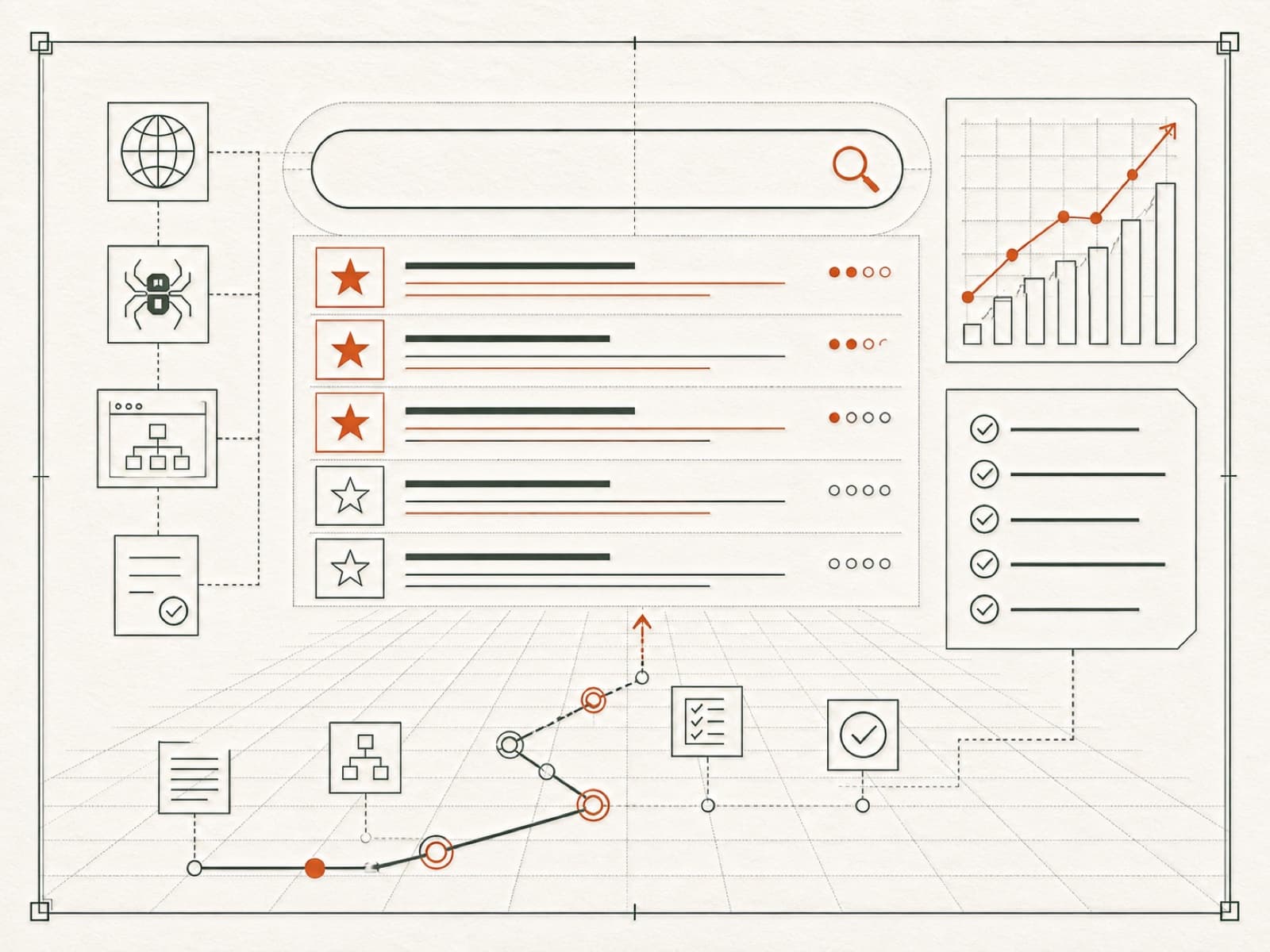 02 / PRODUCT SYSTEMS
Turn SEO research, prioritization, implementation, QA and reporting into one repeatable workflow.
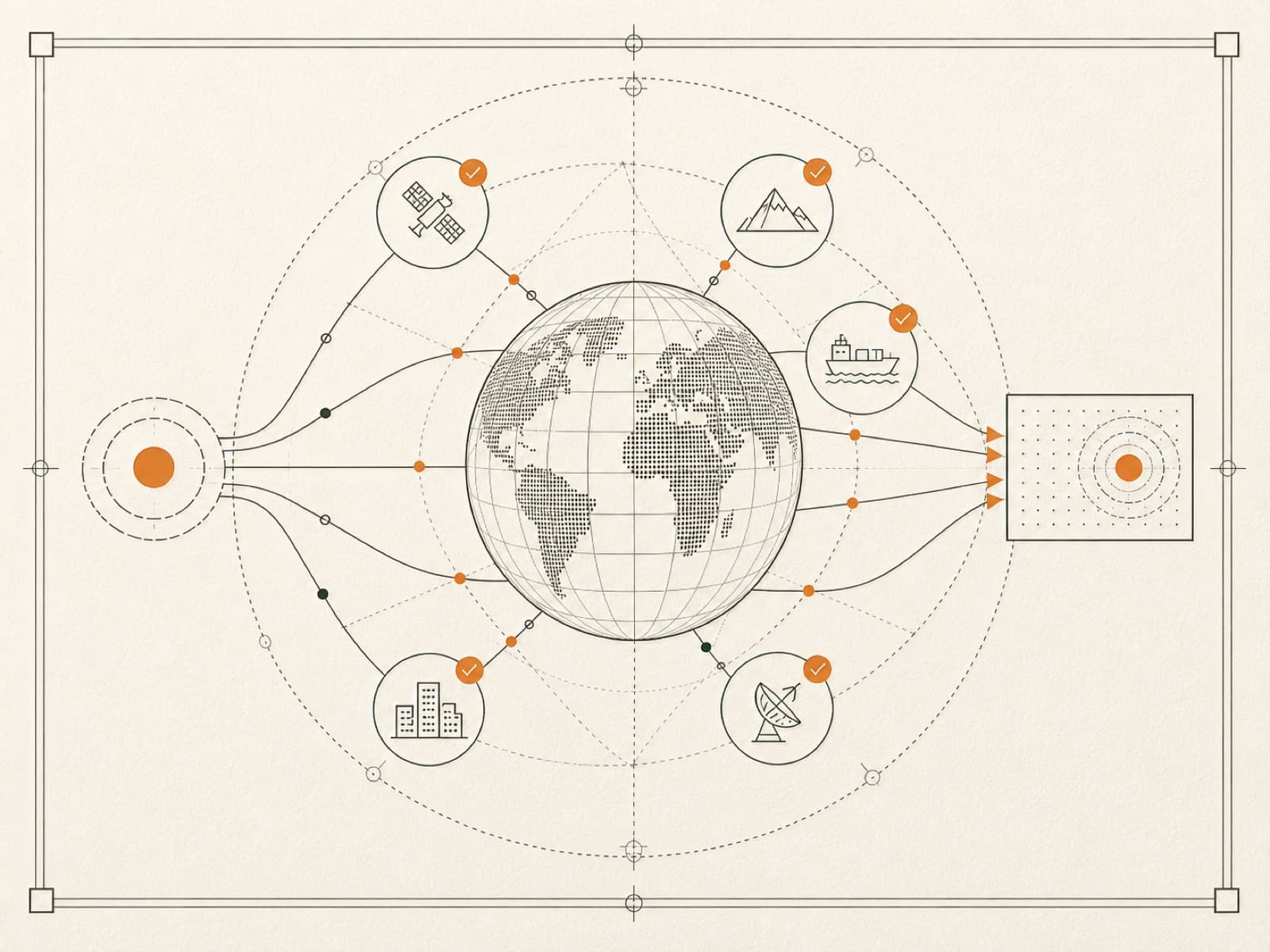 03 / PRODUCT SYSTEMS
Build a repeatable workflow for query mapping, source planning, citation visibility, content and measurement.
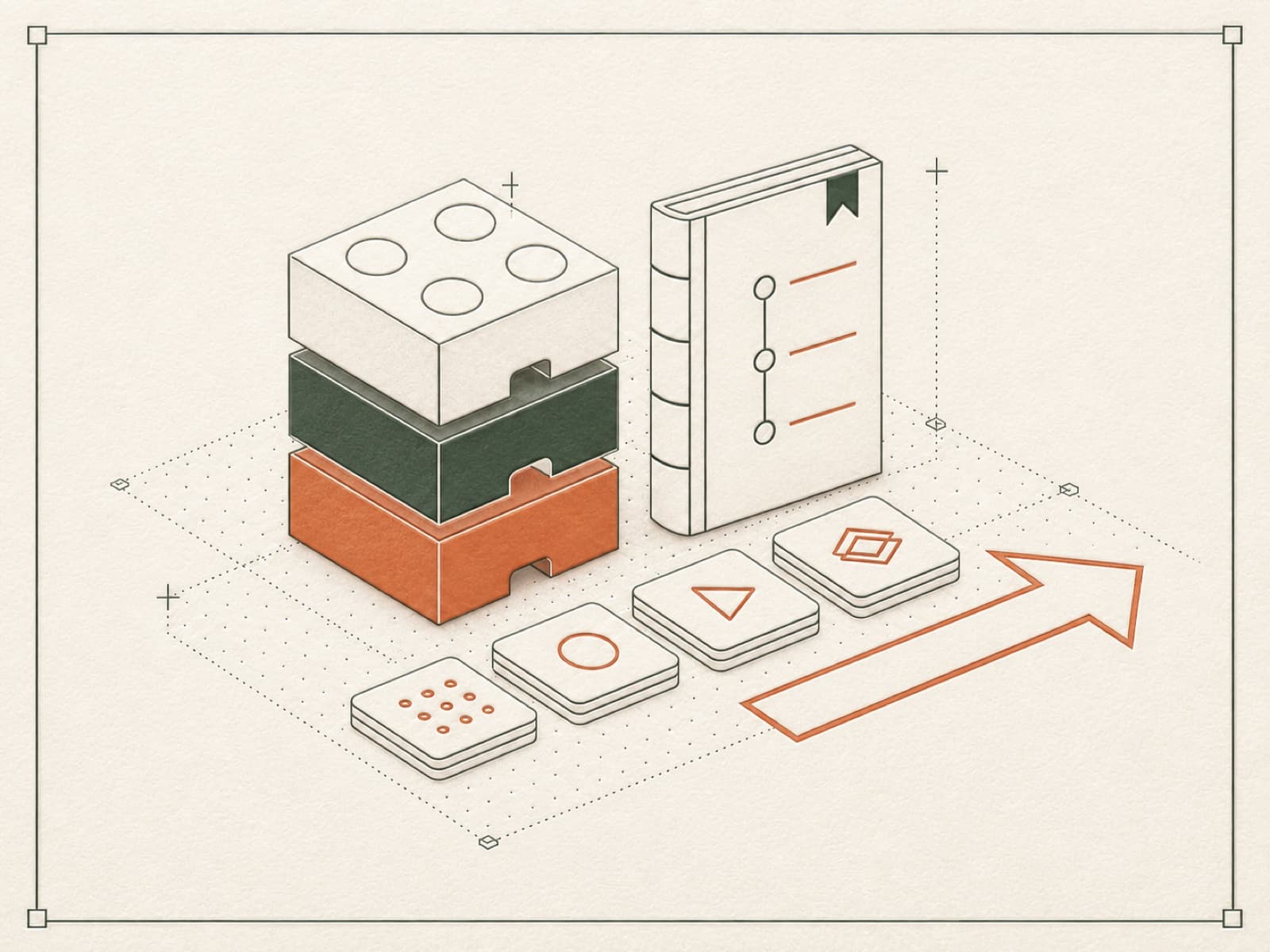 04 / PRODUCT SYSTEMS
Start with a small, inspectable skill before adopting a larger operating workflow.
04BUILDING NOW
Experiments in progress, shown with their current state.
LAB 001
LAB IDENTITY
A public beta that turns one pasted Codex task into a recommended model and reasoning effort.
A research map for testing a lower-friction choice at task entry: Task entry → Task context → Candidate recommendation → Human decision
05PROOF OF WORK
Evidence from building and validating real workflows.
CASE 001
RecordedWork type: MVP product build
A case study in making follow-up actions clearer and more consistent.
Next action
A recorded follow-up workflow map: Lead → Next action → Reminder → Complete → Next action
CASE 002
RecordedWork type: Governance architecture
A case study in giving agent workflows clear scope, approval, audit, and ownership boundaries.
A recorded governance workflow map: Inbox → Agent → Review → Approve → Execute → Audit
CASE 003
RecordedWork type: Codex skill workflow
A case study in turning repetitive, underspecified SEO requests into a durable operating method.
A recorded request-to-report method map: Request → Skill → Work pack → QA → Report
06LATEST THINKING
Practical writing on validation, systems, and product decisions.
A practical framework for distinguishing a durable Codex Skill from a long prompt.
A practical note on testing a bounded workflow before adding more features, claims, or operating complexity.
Practical boundaries for using a coding agent as controlled leverage rather than an unreviewed authority.
07STUDIO LOG
A curated record of real product checks and active research.
08THE OPERATOR

Builder × Investor × AI Operator × Business Thinker
I approach products as a builder, markets as an investor and AI as an operator. The common goal is leverage: turning limited time, knowledge and capital into systems that keep producing value.
09EVIDENCE
The visible boundaries used to decide what is ready, what is checked, and what still needs approval.
Tested with real workflows
Claims stay tied to a real working context instead of a generic demo.
Versioned and last-tested
Product records show the version and the latest stated test date.
Exact contents before purchase
Scope, files and delivery boundaries are visible before a decision.
Human approval and QA
A person remains responsible where a workflow needs approval.